Loading…
Loading…

As temperatures drop each winter, wastewater treatment plants face a recurring challenge: maintaining stable and efficient biological treatment in a colder, less forgiving environment. When wastewater temperatures fall below 59°F (15°C), the microorganisms responsible for breaking down organic material become noticeably less active. Their metabolism slows, their ability to utilize organic compounds declines, and overall treatment efficiency may suffer.
For industrial facilities treating high-strength wastewater, this seasonal slowdown is even more pronounced. Operators often begin to see the effects in the form of weaker floc formation, elevated effluent BOD/COD levels, unstable nitrification, and a greater risk of permit violations.
Wastewater treatment relies on a thriving, well-fed biomass. However, cold conditions introduce several compounding challenges:
A successful winter strategy must address all of these challenges—and that starts with ensuring microbes receive the nutrients they need to remain active.
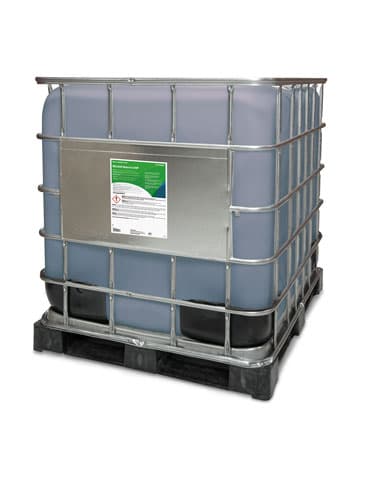
One of the most effective ways to support biomass during the cold months is by supplying a readily degradable carbon source, along with the essential nutrients required for healthy microbial growth. BioAid Macro CNP is specifically engineered for this purpose, delivering a highly concentrated, readily available source of carbon precisely balanced with nitrogen and phosphorus. With its optimal 100:5:1 C:N:P ratio—maintained regardless of dosage—BioAid Macro CNP ensures microorganisms consistently receive the nutrients they need for stable growth and reliable performance in cold conditions.
Winter challenges aren’t limited to a single type of treatment process. Industrial plants often face inconsistent carbon loading due to seasonal production changes, while municipal facilities must manage fluctuating influent temperatures and flow rates.
BioAid Macro CNP supports both types of operations by:
Winter doesn’t have to mean unpredictable plant performance. By supplementing your system with BioAid Macro CNP, operators can strengthen the microbial community, maintain more consistent treatment, and avoid the seasonal dip in effluent quality that many facilities have come to accept as unavoidable.
A healthy biomass is your best defense in winter—and BioAid Macro CNP delivers exactly what it needs to thrive.
Loading...